


I’ve spent more than a decade working in residential and light commercial roofing, much of it in communities like Independence where weather tests roofs in quiet but relentless ways. Most people who end up researching a roofing company independence aren’t starting from a place of curiosity. They’re reacting to something—a stain that keeps growing, shingles that don’t look right anymore, or a storm that made them realize their roof might not be as solid as they thought.
In my experience, Independence roofs rarely fail in dramatic fashion. They give warnings first. I remember inspecting a home where the owner noticed a soft spot in the ceiling of a spare bedroom. There was no active leak, no dripping water. Once I traced it back, the issue turned out to be slow moisture intrusion from a roof transition that had been detailed poorly years earlier. Water had been entering during heavy rain, spreading along the decking, and drying before anyone noticed. By the time it showed up inside, the damage had already been building for a while.
I’m licensed to both install and repair roofing systems, and that combination shapes how I look at roofing companies. Installation teaches you how everything is supposed to work together. Repair work teaches you where things usually go wrong. I’ve been called in after jobs where a roof looked great from the street but had underlying problems—compressed insulation, early wood deterioration, or flashing that was never properly integrated. Those issues don’t show up right away, but Independence weather has a way of exposing them sooner than expected.
One mistake I see homeowners make is assuming that newer means trouble-free. I worked on a roof that was less than eight years old and already leaking in multiple areas. Previous repairs had focused on sealing visible cracks without addressing movement and drainage. Once we corrected the underlying detail, the problems stopped. Until then, each “fix” just shifted the leak to a different location, which only added to the homeowner’s frustration.
Another issue I run into often is overreliance on surface solutions. Caulk and patches have their place, but they aren’t designed to handle years of expansion, contraction, and water flow on their own. In this area, roofs deal with heat, sudden storms, and winter freezes that test every seam. If a repair depends entirely on sealant, I’m usually skeptical of how long it will last.
From my perspective, a good roofing company in Independence understands restraint. Not every roof needs to be replaced, and not every problem requires aggressive work. The best results I’ve seen came from careful inspections, honest explanations, and repairs or replacements that considered how the roof would perform over the next several seasons, not just how it looked when the job was done.
When roofing work is done well, it tends to disappear into the background of everyday life. That quiet reliability usually reflects experience earned through real conditions, not shortcuts taken to finish faster.
I’ve spent more than a decade in the tree care industry, and I’ve learned quickly that not all crews approach the work with the same mindset. The first time I worked alongside All In Tree Services Pro on a Villa Rica property, what stood out wasn’t just the equipment or the pace of the job—it was the decision-making. Tree work rewards patience and judgment far more than brute force, and that’s something you only notice after years in the field.
Early in my career, I made the same mistake many newcomers do: assuming a tree that “looks fine” is safe to leave alone. I remember a residential job where a mature oak showed no obvious decay from the ground. Halfway through pruning, we discovered internal rot that completely changed the plan. Since then, I’ve trusted crews that slow down at the start, walk the site carefully, and talk through risks before a single cut is made. That’s how this team operates, and it’s one of the reasons I’m comfortable recommending them.
One thing homeowners rarely see is how much damage comes from rushed removals. A few years back, I was called in to assess a cleanup after a poorly executed tree removal left ruts across a yard and cracked a section of driveway. The cost to fix the collateral damage rivaled the original removal quote. Crews that understand rigging, weight distribution, and drop zones don’t just protect trees and structures—they protect the homeowner from unnecessary follow-up expenses. Watching this team manage tight spaces in established neighborhoods reinforced how much experience matters in those moments.
Credentials matter too, but not as a badge—it’s how they show up in everyday decisions. Over the years, I’ve earned my certifications and kept my training current because I’ve seen how quickly conditions change. Storm-damaged trees behave differently. Soil saturation alters root stability. A seasoned crew adjusts instinctively. Last spring, after heavy rain softened the ground on a job site, the plan shifted from a straightforward removal to a staged dismantling to avoid uprooting adjacent trees. That kind of adjustment only happens when experience guides the work.
I’ve also seen plenty of homeowners try to save money by delaying needed removals. One client waited too long on a leaning pine near a fence line, hoping it would “hold another season.” It didn’t. The repair costs ended up in the several-thousand-dollar range. In my experience, a clear, honest assessment upfront is the best service anyone can offer. When a professional is willing to say, “This tree can wait,” or “This one really can’t,” it tells me they’re thinking long-term, not just about the next invoice.
Another area where experience shows is cleanup. It’s easy to focus on the dramatic part—the cutting and removal—but the final impression comes from what’s left behind. I’ve worked with crews who finish the removal and disappear, leaving scattered debris and compacted soil. By contrast, the jobs that stick with me are the ones where the site is left orderly and safe, with attention paid to raking, hauling, and minimizing impact. Homeowners remember that long after the saws are gone.
If there’s one mistake I see people make when choosing a tree service, it’s prioritizing speed or the lowest quote over judgment. Trees don’t give second chances. A miscut limb or a misjudged fall can change a property—and a person’s finances—overnight. After years in this line of work, I trust professionals who take the time to explain their approach, point out risks I might not have noticed, and stand by their recommendations even if it means advising against unnecessary work.
Working in tree care has taught me that good service isn’t loud or flashy. It’s careful planning, steady hands, and decisions shaped by experience. Those are the qualities that keep properties safe and customers satisfied, and they’re the reasons I’m selective about who I stand beside on a job site.
After more than a decade working as a hands-on automotive technician, I’ve learned that choosing a car company is rarely about badges or promises. It’s about patterns—patterns you only see after years of lifting the same models onto hoists, fixing the same failures, and talking to owners once the excitement of a new purchase has worn off. That’s why I pay close attention to how an autobedrijf behaves long after the sale, when real-world use exposes what was prioritized during design.
Early in my career, I worked on everything that came through the door, from budget hatchbacks to high-end sedans. One of the first lessons that stuck with me came from a customer who had bought a stylish new car from a brand known for aggressive marketing. Less than two years later, the vehicle was back repeatedly for cooling issues. Nothing catastrophic, but enough small failures—hoses cracking early, sensors failing in awkward locations—that the owner lost confidence. Each visit ended with the same question: “Is this normal?” Over time, you start recognizing which brands create those conversations and which don’t.
In contrast, there are car companies that rarely surprise you. I remember servicing a fleet vehicle that had clearly lived a hard life—constant stop-and-go driving, rushed maintenance, drivers who treated it like a tool rather than a possession. Despite that, the engine internals were clean, fasteners came off without a fight, and nothing felt over-engineered just for show. That kind of durability isn’t accidental. It comes from manufacturers who design with workshops in mind, even if they never say so publicly.
One mistake I see buyers make again and again is focusing on features instead of fundamentals. Screens, trim, and driver aids are easy to compare in a showroom. What’s harder to see is how a car ages. I once had a customer trade in a relatively new vehicle because the suspension had developed persistent noise that required expensive, repeated fixes. The car looked great and drove well at first, but the underlying components weren’t built for the kind of roads it encountered daily. That’s not bad luck—that’s a mismatch between design assumptions and reality.
From my side of the wrench, a good car company shows respect for the person who has to maintain its vehicles. Clear service access, sensible part pricing, and consistency across model years all matter. I’ve worked with brands where a routine repair feels like solving a puzzle designed by someone who never held a tool. I’ve also worked with brands where you can tell engineers anticipated wear, mistakes, and time. Those are the companies I quietly recommend to friends and family.
Experience also changes how you view reliability claims. No car is flawless. What matters is how problems present themselves and how manageable they are. Some manufacturers accept that things will fail and make those failures reasonable to fix. Others seem to pretend failure won’t happen, leaving owners and technicians to deal with the consequences.
After years in the workshop, my perspective is practical. A strong car company builds vehicles that tolerate real life—missed services, rough roads, long commutes—without turning ownership into a constant negotiation. You don’t notice that quality on day one, but years later, it’s the difference between a car you quietly trust and one you’re always waiting to disappoint you.
I’ve been a licensed plumber in coastal Southern California for more than a decade, and Carlsbad is one of those cities where emergency calls have a rhythm of their own. Salt air, older piping in beachside homes, and pressure fluctuations all combine to make after-hours failures more common than people expect. That’s why knowing a reliable Carlsbad emergency plumber ahead of time can change the outcome when something goes wrong in the middle of the night.
Most emergency calls don’t start with panic—they start with confusion. A homeowner hears water running when no fixtures are on. A toilet won’t stop refilling. A faint sewage smell creeps into a bathroom. By the time I arrive, the situation has usually escalated beyond what a shutoff under the sink can handle.
What I See During True Plumbing Emergencies
In my experience, real emergencies share one thing: water is actively causing damage. A burst supply line, a backed-up main pushing waste into showers, or a water heater leaking steadily all demand immediate attention. Waiting until morning often means opening walls or replacing flooring that could have been saved.
One call last fall came from a homeowner who noticed damp carpet near an interior wall. They thought it was a spill. A slab leak had been feeding moisture into the subfloor for hours. Catching it overnight limited the damage to one room instead of the entire level.
Why Carlsbad Homes Are Prone to Sudden Failures
Carlsbad’s coastal conditions take a toll on plumbing systems. I’ve replaced corroded fittings in homes that weren’t especially old, simply because salt air accelerated wear. Older copper lines are especially vulnerable, and shutoff valves that haven’t been touched in years often fail when someone tries to close them in a hurry.
I once responded to a condo unit where a simple toilet leak turned into water pouring through the ceiling below. The angle stop snapped when the homeowner tried to shut it off. The failure wasn’t their fault—the valve had weakened over time. But the damage escalated quickly once pressure was lost.
Common Mistakes Homeowners Make at Night
The biggest mistake is trying to ride it out. Buckets, towels, and makeshift clamps don’t stop pressure. They just slow visible water while hidden damage continues. I’ve also seen people shut off the wrong valve, thinking they’ve isolated the problem when the line feeding the leak is still live.
Another mistake is attempting repairs without understanding the system. I’ve walked into emergency calls where well-meaning DIY fixes made the situation worse, turning a manageable leak into a full pipe replacement.
What an Experienced Emergency Response Actually Involves
When I arrive on an emergency call, my first priority is control. I locate the source, isolate the correct section of plumbing, and stop active water flow. Only then do I assess the failure itself.
I remember a late-night call involving a water heater that appeared to have ruptured. After shutting everything down, it became clear the issue started with a failed temperature relief valve that had been leaking unnoticed. The heater needed replacement, but understanding the sequence prevented the same problem from recurring.
Not All Emergency Plumbing Is Equal
Emergency work requires judgment as much as technical skill. I’ve followed rushed after-hours repairs where the symptom was fixed but the cause was ignored. Weeks later, the homeowner was dealing with another failure in a nearby section of pipe.
In Carlsbad, knowing local construction styles and common failure points makes a difference. A repair that works fine inland may not last long in a coastal environment.
Costs, Pressure, and Clear Decisions
Emergency plumbing isn’t cheap, and I’m always upfront about that. What I avoid is unnecessary work done under stress. Just because it’s after midnight doesn’t mean every component needs replacing.
One family assumed a full sewer line replacement was inevitable after a nighttime backup. Once the blockage was cleared and scoped, the line itself was intact. The real issue was root intrusion near an old cleanout. Addressing that single section solved the problem without tearing up the yard.
Being Ready Before the Call Comes
Every home eventually faces a plumbing emergency. Valves fail. Pipes age. Pressure spikes happen. The best preparation is knowing where your main shutoff is and having a trusted number saved before you need it.
I’ve had homeowners tell me they hoped they’d never call again after their first emergency. Some don’t. Others call years later for a completely different issue. Either way, preparation changes how much damage is done.
After the Water Is Finally Still
Once the water stops and the house quiets down, there’s always a moment where everyone exhales. Fans hum, floors dry, and the crisis passes. Those moments remind me why experience matters in emergency plumbing.
Being a Carlsbad emergency plumber isn’t about rushing or improvising—it’s about calm control under pressure and knowing how one failure connects to the rest of the system. When that understanding is there, even the worst nights end quietly.
I’ve spent more than ten years as an industry professional leading teams in sales, operations, and people management roles, often stepping into environments where morale was quietly slipping even though performance looked fine on paper. One of the more instructive reference points for me has been reading real employee feedback around organizations like Elite Generations, because it reinforces a lesson I’ve learned firsthand: encouragement isn’t built through intent alone, but through how people experience work on a daily basis.
Early in my career, I believed an encouraging environment came from enthusiasm. I ran energetic meetings, emphasized positivity, and celebrated wins loudly. For a short time, it felt effective. Then I noticed something unsettling — people stopped raising concerns. During a quiet one-on-one after a long stretch of deadlines, a strong performer admitted they didn’t want to “be difficult” by pointing out inefficiencies. That was my first real wake-up call. Encouragement disappears the moment honesty feels risky.
In my experience, clarity is one of the most powerful forms of encouragement. I once took over a team where expectations shifted depending on urgency or who was asking for updates. Even experienced employees hesitated before making routine decisions. They weren’t lacking confidence in their skills; they were unsure how their choices would be judged later. I spent time clearly defining what good work looked like and, more importantly, what it didn’t. Almost immediately, stress levels dropped, even though workloads stayed the same.
One mistake I’ve personally made is responding too fast. Early on, I thought leadership meant having immediate answers. When concerns were raised, I jumped straight into fixing mode. Over time, fewer issues were shared. When I learned to slow down, ask clarifying questions, and listen fully before responding, conversations changed. Encouragement grows when people feel heard, not managed.
Recognition is another area where many leaders miss the mark. I used to focus praise on visible outcomes because they were easy to measure. Sales closed, targets hit, projects delivered. What I overlooked was the quiet work — the judgment calls that prevented problems and the extra effort that kept things from spiraling. I remember a situation where a team resolved a small internal issue early, avoiding a much larger mess later. No metric captured it, but acknowledging that effort publicly shifted how people approached their responsibilities. Encouragement reinforces thoughtfulness, not just results.
How mistakes are handled often determines whether an environment feels safe or tense. I’ve worked under leaders who treated errors as personal failures, and the result was predictable: people hid problems. Later, when an internal process failed under my leadership, I focused the discussion on where communication broke down instead of who was responsible. The tension in the room eased almost immediately. People spoke more openly, and solutions came faster. Accountability doesn’t require fear; it requires consistency and fairness.
Pressure reveals culture faster than any mission statement. I’ve seen companies praise teamwork during calm periods and quietly reward cutthroat behavior once targets were threatened. Employees notice those contradictions immediately. Encouragement has to survive stressful moments to be believable. Holding steady on respect and fairness when deadlines tighten matters far more than any recognition program.
Practical support often communicates encouragement more clearly than words. I’ve adjusted workloads, pushed back on unrealistic timelines, and paused nonessential initiatives when teams were stretched thin. None of those decisions were dramatic, but they sent a clear message: people weren’t disposable. Encouragement often lives in those quiet choices that make work sustainable instead of heroic.
Meetings also play a larger role than many realize. I’ve sat in rooms where the same voices dominated while others disengaged. In one role, I deliberately changed the flow by inviting quieter team members to speak first. It felt uncomfortable at first, but the quality of discussion improved quickly. Encouraging environments don’t just allow participation; they protect it.
I’m cautious about forced positivity. I’ve watched leaders insist on optimism while ignoring obvious strain, and credibility vanished quickly. Encouragement works best when it’s calm and honest. Saying, “This is difficult, and here’s how we’ll handle it,” builds far more trust than pretending everything is fine.
Creating an encouraging working environment isn’t about perks or constant praise. It’s about clarity, consistency, and leaders who pay attention to how work actually feels, not just how it performs. When people trust expectations, feel safe being honest, and know their effort matters even when it isn’t visible, encouragement becomes part of the culture rather than something that needs to be announced.
Few ingredients possess the versatile appeal and broad nutritional value of the baked chicken breast. It stands as a cornerstone in global cuisine, a blank canvas for flavors, and a staple for health-conscious eaters. This article will explore the journey of the **baked chicken breast** from a raw cut to a beautifully cooked, tender dish, highlighting the techniques, benefits, and myriad ways to keep this simple meal exciting. Mastering the art of baking this cut of poultry is perhaps the most fundamental skill in efficient and healthy home cooking.
The fundamental appeal of the **baked chicken breast** lies in its incredible leanness and high protein content. As a complete protein, it provides all the essential amino acids required by the human body for muscle repair, immune function, and overall health maintenance. Unlike pan-frying or deep-frying, baking requires minimal added fat, preserving the inherent nutritional benefits of the meat. A properly **baked chicken breast** is a powerful tool for weight management, satiety, and a host of fitness goals, making it a favorite among athletes and busy professionals alike. It’s an ingredient that truly earns its place in a balanced diet without compromising on satisfaction.
The secret to a truly exceptional **baked chicken breast** is not in an overly complicated recipe but in the preparation and temperature control. Starting with a standard 4 to 6-ounce boneless, skinless breast, the first critical step is often to ensure an even thickness. Pounding the thicker end to match the thinner side—often referred to as 'butterflying' or simply flattening—guarantees that the meat cooks uniformly. Without this step, the thin end can dry out before the thick center is safely cooked. Seasoning is where the blank canvas comes to life. A simple blend of salt, black pepper, and garlic powder is a classic choice, though the possibilities for customizing your **baked chicken breast** are virtually endless.
When it comes to the actual baking process, the debate between high-heat and low-heat cooking methods for **baked chicken breast** is common. A popular and effective method involves preheating the oven to a medium-high temperature, typically $400^{\circ}\text{F}$ ($200^{\circ}\text{C}$). This higher heat quickly sears the outside, locking in the juices while the inside cooks thoroughly. The cooking time for an average-sized piece is typically between 20 to 25 minutes, but the only reliable indicator of doneness is temperature. A meat thermometer inserted into the thickest part should register $165^{\circ}\text{F}$ ($74^{\circ}\text{C}$). Overcooking is the single biggest mistake that leads to a dry, unappetizing **baked chicken breast**.
One essential, often overlooked, step in creating a succulent **baked chicken breast** is the resting period. Once the chicken reaches the target internal temperature, it must be removed from the oven and allowed to rest, loosely tented with foil, for at least five to ten minutes. During cooking, the muscle fibers contract and push the moisture towards the center. Resting allows these fibers to relax and redistribute the juices throughout the meat, resulting in a significantly more tender and moist finished product. Skipping this step means all those carefully preserved juices will run out onto the cutting board, leaving you with a dry, disappointing **baked chicken breast**.
To avoid the monotony that can sometimes be associated with healthy eating, variety is key, and the versatility of the **baked chicken breast** is its greatest strength. Consider a Mediterranean approach with oregano, lemon zest, and olive oil, or perhaps a smoky BBQ rub with a touch of brown sugar. For an Asian-inspired meal, marinate the breast in soy sauce, ginger, and sesame oil before baking. Furthermore, the **baked chicken breast** can be served whole, sliced for salads, shredded for tacos or sandwiches, or diced and tossed into a stir-fry. It is the ideal ingredient for meal prepping, as it retains its texture and flavor well when refrigerated.
Exploring different marinades is another excellent way to elevate the simple **baked chicken breast**. Marinades, which often contain an acidic element like vinegar or citrus juice, help to tenderize the meat by slightly breaking down the protein structure. A buttermilk marinade, for instance, results in an incredibly tender piece of chicken. Even a quick 30-minute soak in a flavored liquid can infuse enough flavor to completely transform the final dish. When using sugar-based marinades, like teriyaki, be mindful during the baking process, as the sugars can caramelize quickly and risk burning before the **baked chicken breast** is fully cooked through.
In conclusion, the **baked chicken breast** is more than just a diet food; it is a fundamental, adaptable, and deeply satisfying component of modern cooking. Its straightforward preparation allows for consistent, reliable results, while its neutral flavor profile welcomes endless culinary creativity. By respecting the simple rules of uniform thickness, proper internal temperature, and essential resting time, anyone can achieve a perfectly moist and flavorful result. From a quick weeknight dinner to the star protein in a gourmet salad, the simple **baked chicken breast** is a true kitchen hero, providing both nourishment and culinary satisfaction with minimal effort.
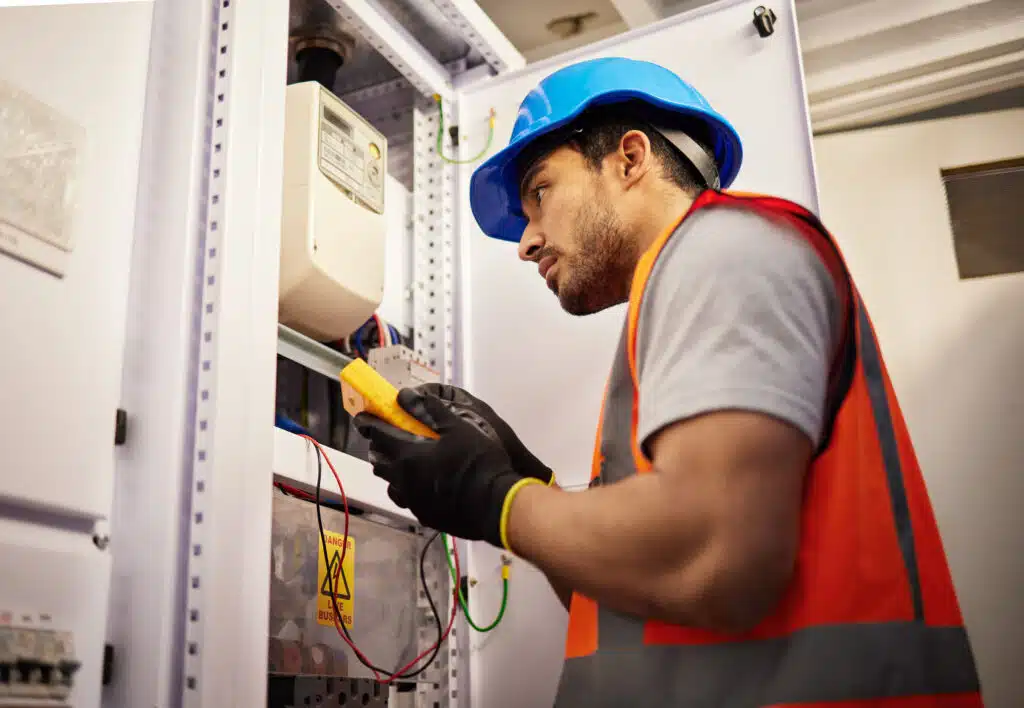
For any contractor operating within the vast Texas market, understanding the nuances of Texas contractor bonds is not merely beneficial—it is often a legal necessity for securing licenses, permits, and large public works contracts. Unlike some states that require a single statewide license bond, bonding requirements in Texas are largely decentralized, meaning they are mandated primarily at the local municipal or county level, or dictated by specific project types, especially those involving public funds. A contractor must navigate this diverse landscape to ensure full compliance and maintain the ability to bid on and execute various projects across the state. The specific type and amount of the required Texas contractor bonds will depend heavily on the location and the nature of the work being performed.
The Crucial Role of License and Permit Bonds
The most common requirement contractors face at the local level across Texas is the need for a license or permit bond. These particular Texas contractor bonds are financial guarantees that the contractor will comply with all local ordinances, building codes, and licensing regulations set forth by the city or county. For example, a city may require a contractor working on sidewalks or driveways within the public right-of-way to post a bond, ensuring that any damage is repaired or the project is completed to municipal standards. The primary purpose of these Texas contractor bonds is to protect the public and the local government from financial harm resulting from the contractor's failure to adhere to the rules or poor workmanship. Bond amounts for these requirements are typically smaller, often ranging from a few thousand dollars up to $25,000, and the premium a contractor pays is generally low for those with good credit.
Contract Bonds: Performance and Payment Guarantees
For larger projects, particularly those involving state or local government entities, the requirements shift to contract surety bonds, which are significantly more complex and substantial than local license bonds. These contracts generally require two main types of Texas contractor bonds: the performance bond and the payment bond. A performance bond guarantees the "obligee"—the project owner or government entity—that the contractor will complete the project according to the contract's terms and specifications. If the contractor defaults or fails to complete the work, the surety company that issued the bond steps in to cover the cost of completing the project or finding a replacement contractor. These are critical Texas contractor bonds for public trust.
Understanding the Payment Obligation
The second crucial element of contract bonding for public work in Texas is the payment bond, which is mandated by the state's "Little Miller Act" for contracts exceeding a certain monetary threshold. This type of bond is designed to protect subcontractors, laborers, and material suppliers who furnish labor or materials for the project. If the general contractor fails to pay them, the payment bond allows these parties to file a claim against the bond to recover the money owed, rather than placing a lien on the public property itself, which is typically not permitted. Therefore, securing the necessary performance and payment Texas contractor bonds is a prerequisite for bidding on and securing virtually all significant public works contracts, ensuring a chain of financial security from the government down to the suppliers.
The Three-Party Surety Relationship
All Texas contractor bonds operate within a unique three-party agreement. The first party is the "principal," which is the contractor who must obtain the bond and whose actions are being guaranteed. The second party is the "obligee," the entity requiring the bond (like a city or county) who is protected by the guarantee. The third party is the "surety," which is the insurance company that issues the bond and provides the financial backing. If a valid claim is made against the bond, the surety pays the obligee, but the contractor (the principal) is then legally obligated to reimburse the surety for the full amount paid out. This structure ensures that while the obligee is protected, the ultimate financial responsibility for the contractor's non-compliance or failure still rests with the contractor himself, maintaining accountability across all required Texas contractor bonds.
Navigating the Cost and Underwriting Process
The cost of obtaining Texas contractor bonds is not a fixed price but a premium—a percentage of the total bond amount—determined by the surety company’s underwriting process. For smaller license bonds, the premium can often be a very small, flat annual fee, especially for contractors with a strong credit history. For the larger, project-specific performance and payment bonds, the underwriting is much more rigorous, involving a deep dive into the contractor’s financial stability, business experience, credit score, and past project history. Premiums for these contract bonds usually range from 1% to 3% of the contract value for well-qualified contractors. The underwriting process helps the surety assess the risk and determine the appropriate premium for all types of Texas contractor bonds.
The Essential Path to Compliance
To remain competitive and compliant in the Texas construction industry, a contractor must be proactive in managing their bonding requirements. This involves a continuous process of checking specific local city and county regulations before commencing work and ensuring that they meet the statutory requirements for any public project they pursue. Given the varying requirements across the state, working closely with a specialized surety agent or bond producer is the most effective way for a contractor to secure the correct and most cost-effective Texas contractor bonds. Proper bonding is ultimately what opens the door to larger opportunities and demonstrates financial responsibility and commitment to ethical business practices throughout the entire contracting lifecycle. Would you like to search for a surety agent who specializes in Texas contractor bonds in a specific area?
Indoor air quality plays a crucial role in maintaining a healthy home environment, especially in a city like Calgary where seasonal changes can affect air circulation. One of the best ways to ensure clean air is by investing in Top-rated duct cleaning in Calgary. This service not only improves the air quality but also boosts the efficiency of your heating and cooling systems.
Top-rated duct cleaning in Calgary involves removing dust, allergens, and other contaminants that accumulate in your HVAC ducts over time. Homes and commercial buildings alike can benefit from this service, as it prevents the circulation of harmful particles that may cause respiratory issues. Many local providers specialize in this service, offering thorough cleaning using advanced tools to ensure ducts are spotless.
Choosing top-rated duct cleaning in Calgary means opting for professionals who use high-quality equipment and follow industry standards. These experts perform a detailed inspection before beginning the cleaning process, identifying problem areas such as mold growth or excessive dust buildup. Proper duct cleaning can extend the lifespan of your HVAC system, saving you money on repairs and energy bills in the long run.
One key advantage of hiring top-rated duct cleaning in Calgary is the noticeable improvement in air quality immediately after the service. Dust mites, pet dander, pollen, and other allergens trapped inside ducts are effectively removed, which can reduce allergy symptoms and promote better breathing. This service is particularly beneficial for families with young children, elderly members, or anyone with asthma or allergies.
Many residents seek top-rated duct cleaning in Calgary during spring or fall when the HVAC system is frequently used to manage temperature changes. Cleaning ducts before heavy use ensures that air flows freely and is free of contaminants. Additionally, clean ducts reduce unpleasant odors caused by mold or accumulated debris, making your home feel fresher and more comfortable.
The process of top-rated duct cleaning in Calgary typically includes cleaning air ducts, vents, registers, and sometimes even the furnace or air handler components. Technicians use high-powered vacuums and brushes to dislodge dirt and dust, which is then removed to prevent recontamination. Some companies also offer sanitizing treatments to eliminate bacteria and mold spores, further enhancing the health benefits of the service.
When selecting a company for top-rated duct cleaning in Calgary, it is important to check for certifications and customer reviews. Reliable providers often have experience with different types of HVAC systems and can tailor their services to meet your specific needs. Many also provide before-and-after photos or video footage to demonstrate the effectiveness of their work, giving customers peace of mind.
Cost is another factor to consider when opting for top-rated duct cleaning in Calgary. While prices vary depending on the size of the property and extent of contamination, the investment is worthwhile given the health benefits and energy savings. Some companies offer maintenance plans or discounts for repeat customers, making it easier to keep your ducts clean year-round.
Besides improving indoor air quality, top-rated duct cleaning in Calgary also helps reduce allergens and dust accumulation on your furniture and floors. Cleaner ducts mean less dust circulating throughout your home, resulting in a cleaner living space with less frequent dusting required. This benefit is especially appreciated by those who suffer from dust-related allergies.
In conclusion, top-rated duct cleaning in Calgary is a valuable service that promotes better health, improves HVAC efficiency, and enhances overall comfort in your home or business. With the right professionals and equipment, you can trust that your air ducts will be thoroughly cleaned and maintained, allowing you to breathe easier all year long. Regular duct cleaning is a smart investment for anyone looking to improve air quality and maintain a clean, safe indoor environment.
Nestled along New Zealand’s picturesque Bay of Plenty, Tauranga is quickly emerging as a hotspot for corporate development and workplace cohesion. With its stunning coastal scenery, dynamic city vibe, and an abundance of activities, it’s no surprise that team building Tauranga is becoming a popular choice for companies seeking to strengthen employee relationships and boost morale.
One of the key reasons why team building Tauranga stands out is the diverse range of environments available. Whether you’re looking for beachside challenges, bushland retreats, or urban problem-solving games, Tauranga offers it all. The natural surroundings play a big part in encouraging open communication, trust, and collaboration—key components of a high-functioning team.
The benefits of team building Tauranga go far beyond just a fun day out of the office. Businesses in the region are realizing that a well-executed team-building event can directly impact productivity, employee satisfaction, and even staff retention. When team members feel connected and supported, they’re more likely to work efficiently and stay with the company longer.
For organizations looking for structured experiences, there are several professional facilitators who specialize in team building Tauranga. These companies design custom programs tailored to suit different industries, group sizes, and team dynamics. From leadership workshops and problem-solving activities to trust exercises and communication drills, these guided sessions help teams grow stronger through shared experiences.
Adventure-based activities are also a major part of the team building Tauranga scene. With Mount Maunganui and the harbor close by, teams can engage in kayaking, paddleboarding, hiking, or sailing challenges. These activities push individuals out of their comfort zones, encouraging risk-taking, resilience, and mutual support—all while enjoying some of the most beautiful landscapes in New Zealand.
Indoor activities also play a role in team building Tauranga, especially for companies seeking year-round options. Escape rooms, cooking competitions, trivia nights, and creative workshops are all available in the city. These experiences help develop strategic thinking, adaptability, and teamwork in a more controlled setting, ideal for groups that prefer less physical challenges.
One of the more unique offerings for team building Tauranga is the incorporation of Māori cultural experiences. Learning about local traditions, participating in haka workshops, or understanding the values of whanaungatanga (relationship-building) can deeply enrich a team’s connection. This culturally grounded approach not only builds stronger teams but also deepens understanding of the region and its heritage.
The hospitality scene plays a supportive role in team building Tauranga as well. With a variety of cafes, wineries, and waterfront restaurants, teams can wind down and connect in a relaxed social setting after a day of activities. Shared meals and casual conversations can be just as important as the main events when it comes to developing bonds between coworkers.
Accommodation options also cater well to corporate groups engaging in team building Tauranga. From luxury resorts to cozy lodges, there’s no shortage of venues that offer both comfort and convenience. Many of these locations also provide conference facilities, allowing for a productive mix of work and play during a multi-day retreat.
As businesses continue to adapt to changing work environments, especially with remote and hybrid models, the importance of face-to-face interactions has only grown. Team building Tauranga offers the ideal solution for bridging that gap, helping teams reconnect, reenergize, and realign their goals in a setting that’s both inspiring and restorative.
Planning a successful team building Tauranga experience doesn’t have to be difficult. With the help of local experts and a bit of creativity, even small teams on a budget can find meaningful ways to engage. Whether it's a single-day event or a weekend retreat, the key is to align the activities with the team’s needs and the company’s values.
What sets team building Tauranga apart from other regions is the balance it strikes between adventure and authenticity. It’s not just about ticking boxes or completing exercises—it’s about creating memorable moments that translate into better working relationships. Teams leave Tauranga not only more united but also with a renewed sense of purpose and collaboration.
Businesses that invest in team building Tauranga often find that the positive effects ripple throughout the workplace. Improved communication, higher trust levels, and greater cooperation are all natural outcomes of a well-designed team-building experience. These changes can ultimately lead to higher performance and a more enjoyable work culture.
For HR professionals, managers, or business owners looking to improve team dynamics, team building Tauranga offers a wealth of opportunities. With its blend of natural beauty, cultural depth, and expert facilitators, it’s a location that encourages growth on both a personal and professional level. More than just a break from the daily grind, it’s a strategic investment in the health and future of any organization.
In conclusion, team building Tauranga is more than a trend—it’s a powerful tool for any company looking to improve teamwork, communication, and employee engagement. Whether through outdoor adventures, cultural learning, or skill-based activities, Tauranga provides the perfect backdrop for building stronger, more connected teams ready to take on any challenge.